Alumni Spotlight Series: Robyn Rapaport

Alumni Spotlight Series
The Retailing & Consumer Science program is launching its new Alumni Spotlight Series, a twice-monthly feature highlighting graduates who are making an impact across the retail and consumer industry. Through short Q&As, alumni reflect on their career paths, the skills shaping their success, and insights for current students preparing to enter the field.
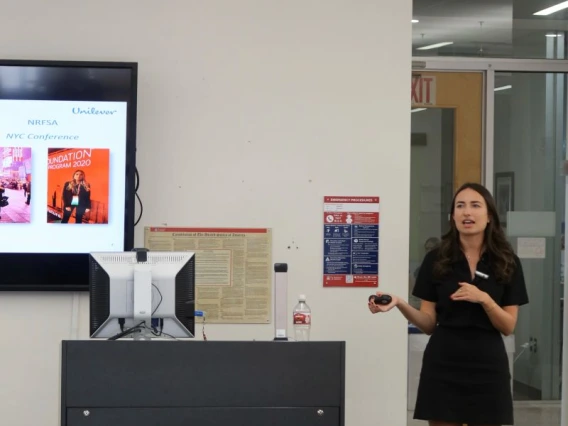
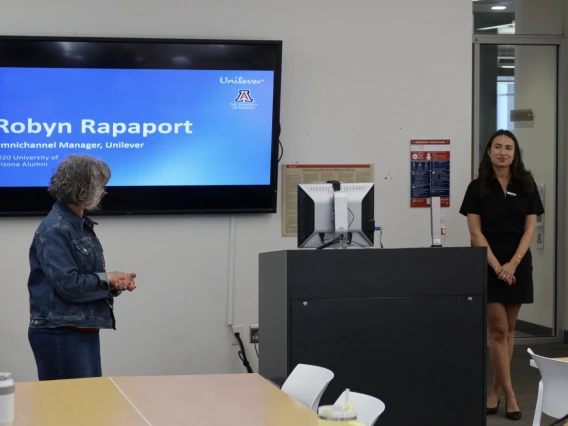
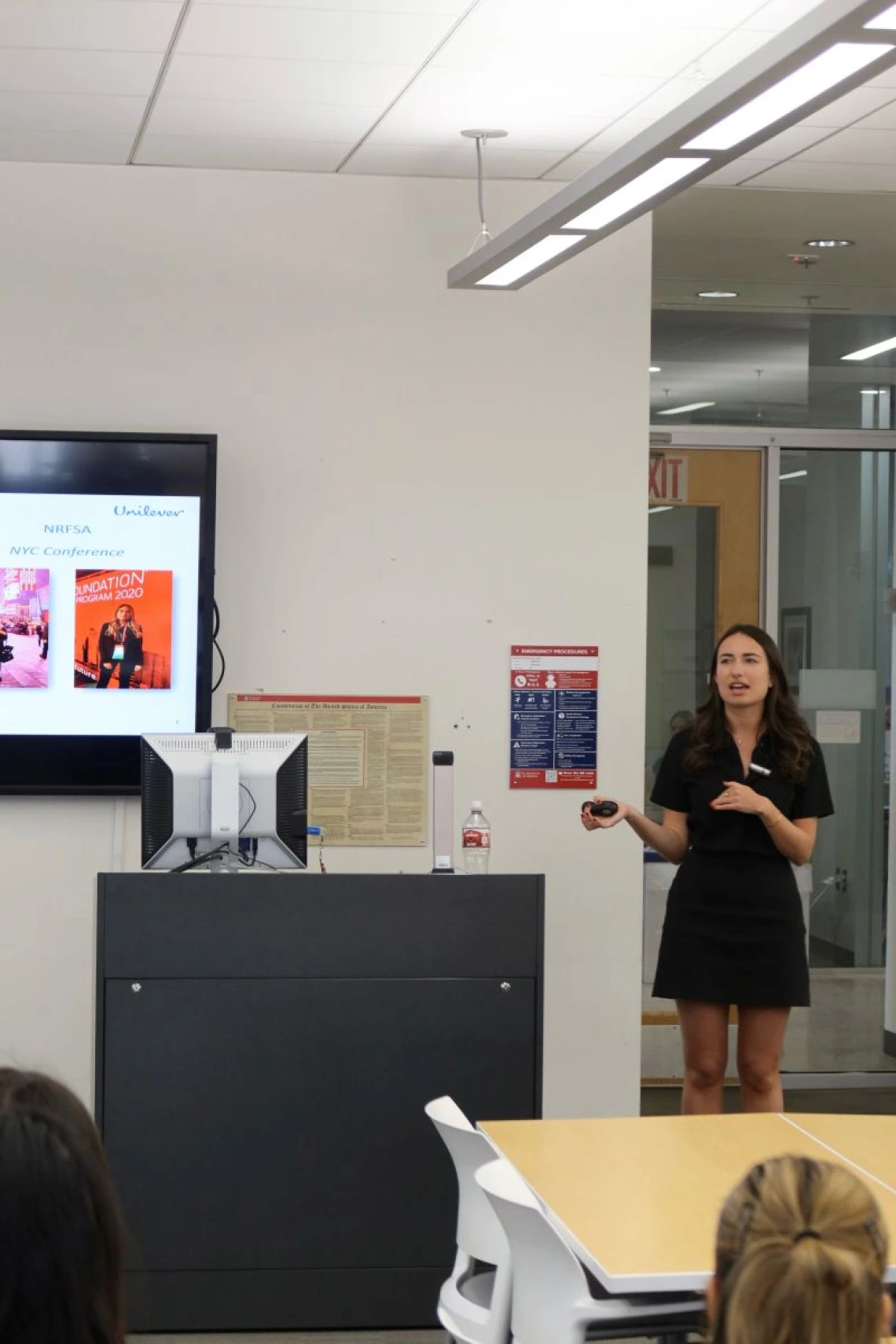
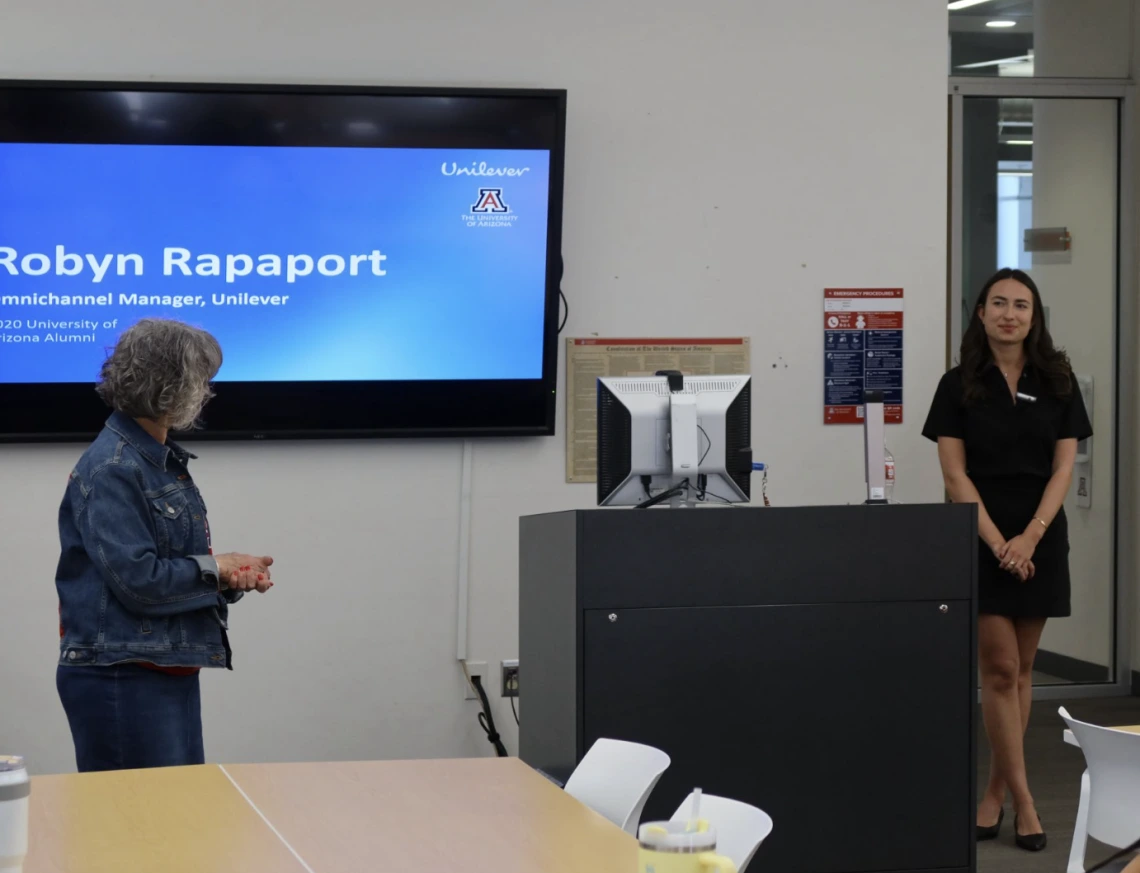
Meet our next Alumni Spotlight participant, Robyn Rapaport. The path from classroom to career in the retail and consumer industry is rarely linear, but for this 2020 graduate of the Retailing and Consumer Science program, each step has built toward a dynamic and data-driven career. From early roles at Walmart eCommerce and Fanatics, Inc. to agency experience with Publicis and now a strategic position at Unilever, her journey highlights how hands-on experience, adaptability, and a deep understanding of consumer behavior can shape long-term success. In this Q&A, Robyn reflects on the skills that mattered most, shares insights on where the industry is headed, and offers practical advice for students looking to break into an increasingly digital and fast-evolving field.
2020 Graduate
Job Track: Walmart ecommerce – Fanatics, INC – ARC (Publicis Agency) – Unilever
1. Looking back on your career after completing your Retailing and Consumer Science degree, what experiences or skills made the biggest difference in helping you succeed in the retail or consumer industry?
Looking back, the experiences that made the biggest difference were the ones where I got real, hands-on exposure to how the business actually works. Early on at Walmart eCommerce and Fanatics, I learned the basics of site merchandising, content, and how small changes can really impact sales and conversion. As I moved into new role at Unilever, I’ve had more ownership over strategy and execution—using data and consumer insights to drive growth across digital channels. That’s really where everything started to click for me. The biggest skills that helped me were being able to understand the “why” behind consumer behavior and then turn that into action, plus being able to work well with different teams. Retail moves fast, so being adaptable, communicating clearly, and being comfortable working across brands, retailers, and partners has been huge for my success.
2. How do you see the retail and consumer industry evolving over the next 5–10 years, and what skills should students develop now to stay competitive?
The industry is becoming increasingly digital, data-driven, and consumer-centric. We’re seeing a continued shift toward e-commerce, personalization, and omnichannel experiences where the line between physical and digital retail is blurred. To stay competitive, students should focus on building strong analytical and digital skills—things like data analysis, understanding consumer insights platforms, and comfort with emerging technologies like AI. At the same time, soft skills like storytelling, critical thinking, and collaboration are just as important. The ability to take complex data and turn it into a compelling narrative that drives business decisions will be a major differentiator.
3. If you were a student in the Retailing and Consumer Science program today, what would you focus on doing differently to prepare for your career?
If I were a student today, I would prioritize gaining as much practical experience as possible—internships, part-time roles, or even personal projects that demonstrate an understanding of consumer behavior or retail strategy. I would also spend more time building technical skills, particularly in data analysis and digital tools, since those are increasingly essential in the industry.
Additionally, I would be more intentional about networking—connecting with professionals, seeking mentorship, and learning from people already in the field. Finally, I would stay very close to industry trends by following brands, reading market reports, and understanding how consumer expectations are evolving in real time.